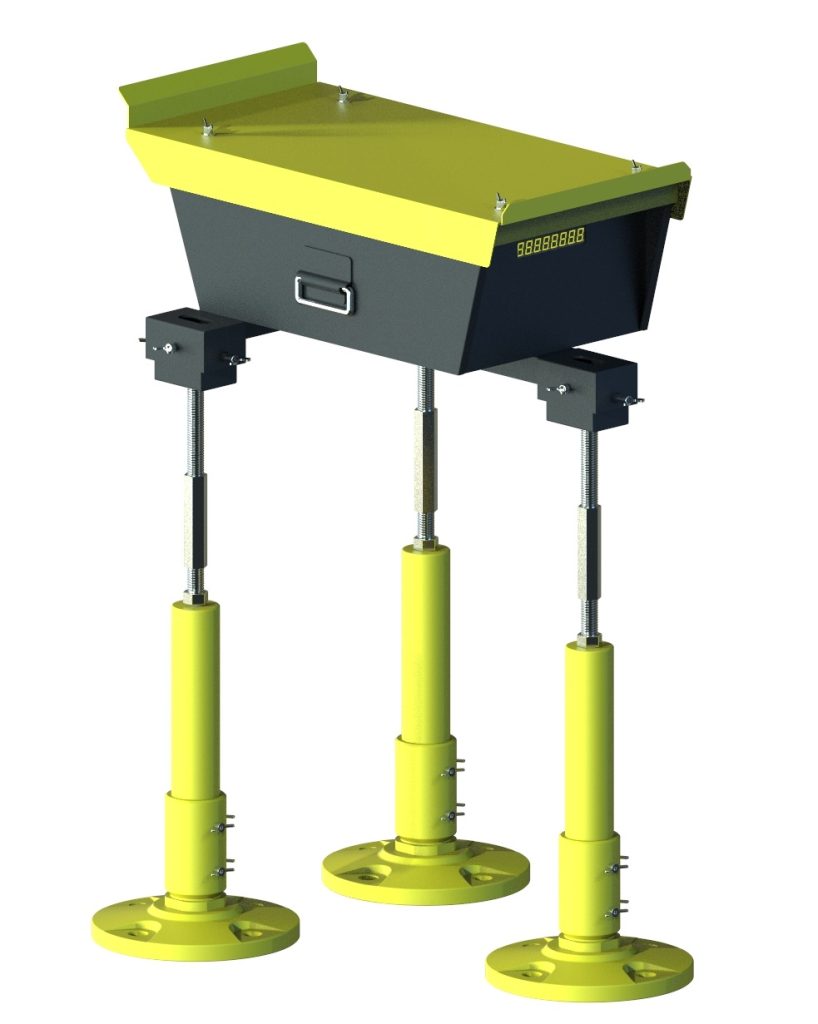
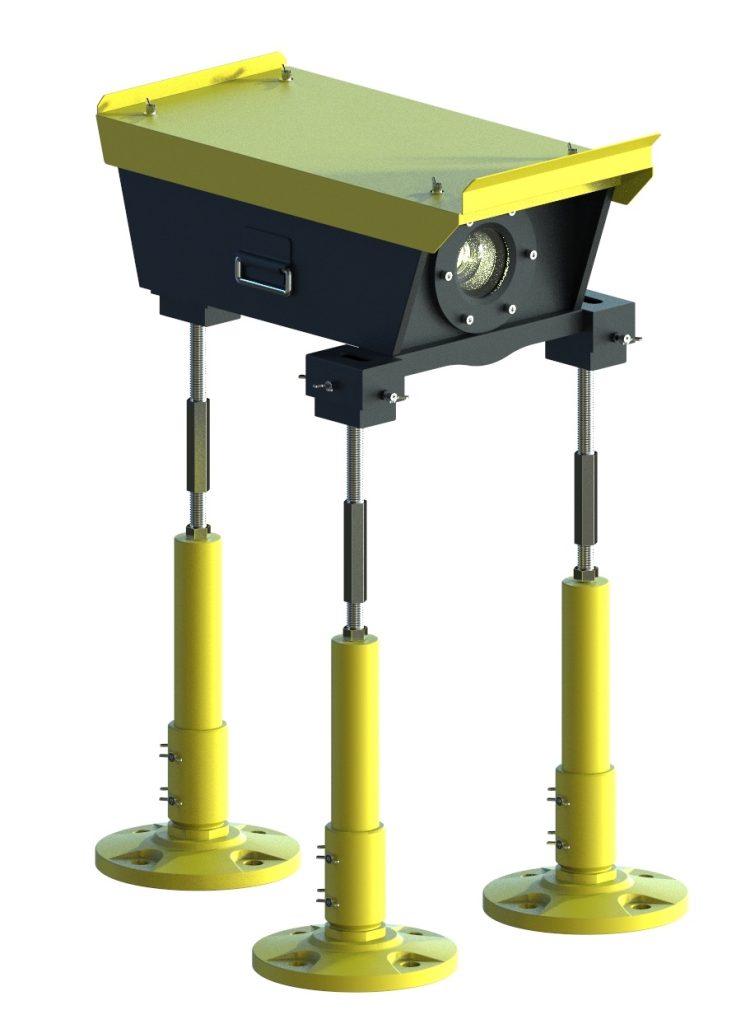
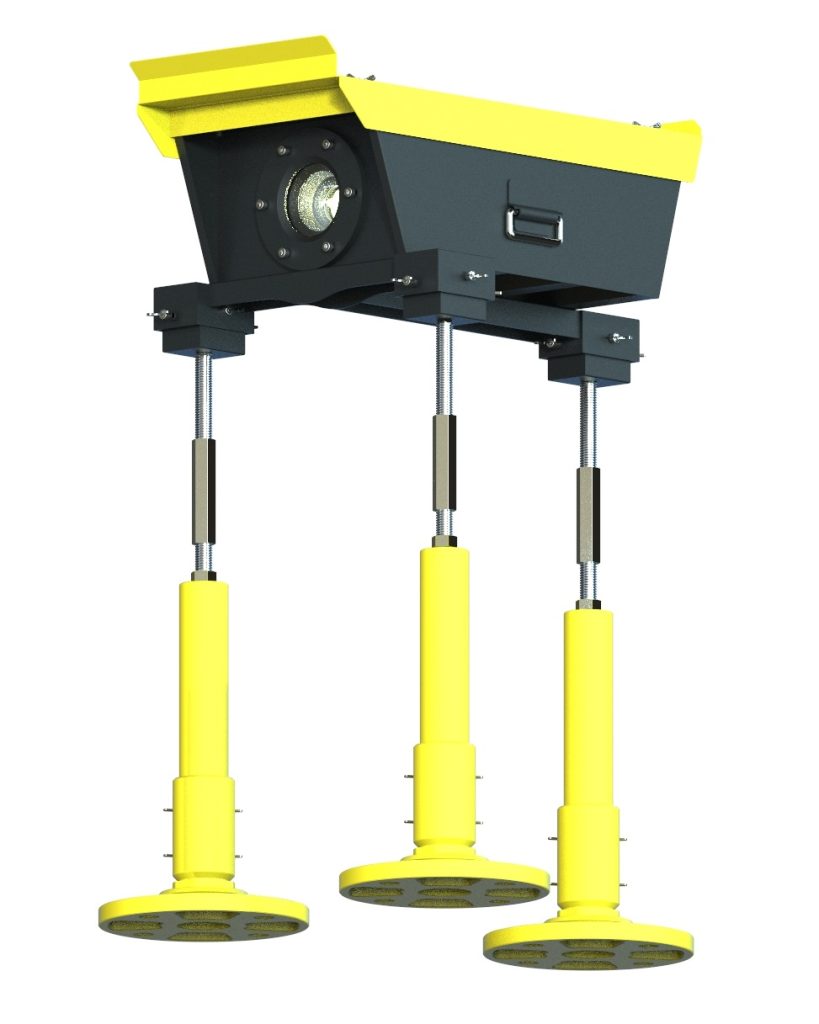
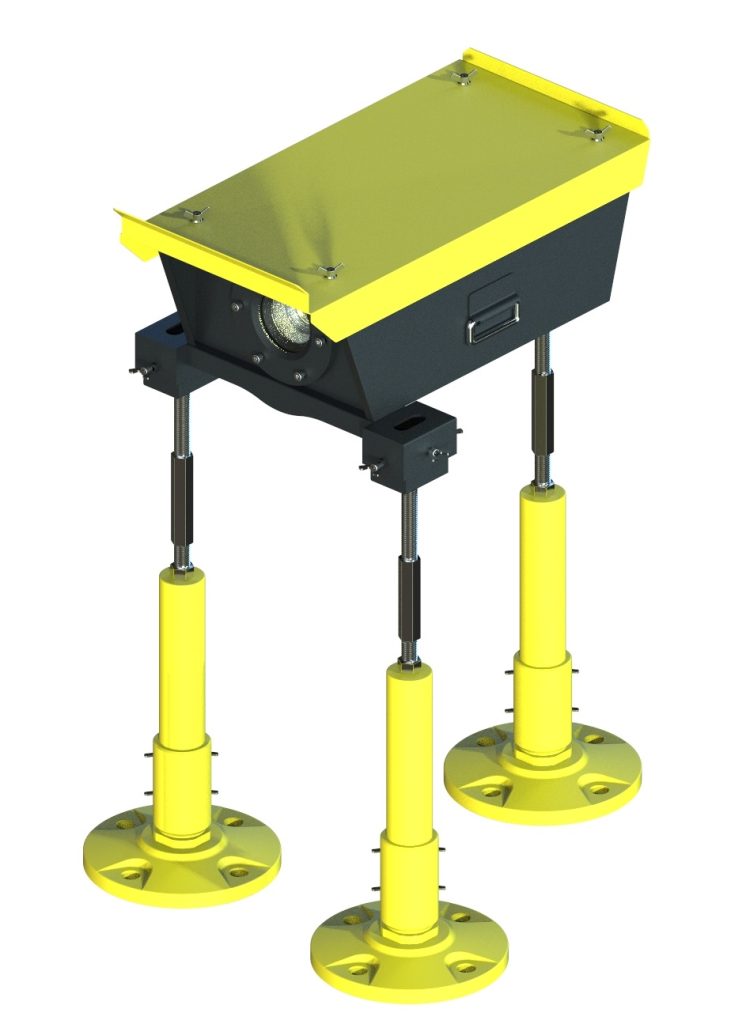
A navigational lighting system installed at airports to provide visual precision approach path guidance to pilots preparing to land.
FUNCTIONS & FEATURES
The luminaires’ photometric color and intensity both comply with the requirements of ICAO Annex 14.
Precise light-emission angles and straight-angle transitions between red, green, and white meet the requirements of ICAO Annex 14.
The filter employs scientific new manufacturing processes and advanced materials, precisely tuning the chromaticity and red/white light contrast to fall within the boundary limits of the CIE standard chromaticity diagram.
The optical system is independently integrated into a single unit, eliminating the need for recalibration when changing the light source.
Highly integrated LED light source with long lifespan, low power consumption, and high brightness.
High-precision angular sensor enabling highly accurate angle adjustment with a precision of up to 0.01°. The system can store angular data; the light source automatically powers off when the elevation angle tilts downward within the range of 0.25°–0.5° or upward within the range of 0.5°–1°.
The digital tube displays angle, temperature, voltage, and current values instantly and accurately.
The control system intelligently identifies the operational status of lights and automatically cuts off power when the lights exhibit any abnormal conditions specified by ICAO, FAA, or MH5001.
The control panel features “Operation Mode” and “Calibration Flight Mode” for convenient use.
Three-level dimming: 5%, 20%, and 100%.
Compact and lightweight structure, easy and convenient installation, strong overall wind resistance capable of withstanding winds up to 240 km/h.
The light box is made of stainless steel with an outdoor-specific powder coating on the exterior. Internal optical components and heat-dissipation parts are made of aluminum alloy with anti-corrosion surface treatment, and fasteners are made of stainless steel, enabling suitability for various environmental conditions.
Three stainless steel legs equipped with precision-threaded screws for fine adjustment of pitch angle. The base features an easily detachable aluminum alloy tube, ensuring stability that meets ICAO and FAA standards.
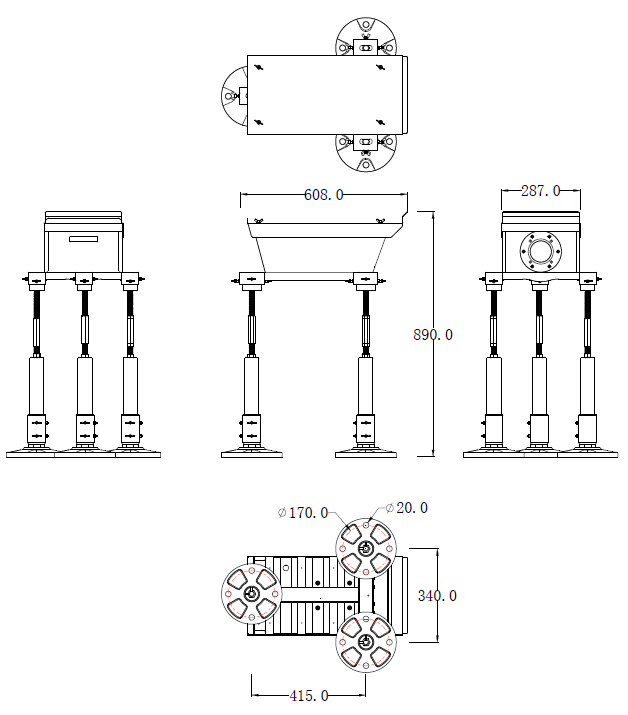
STRUCTURE SIZE
PRODUCT PICTURE
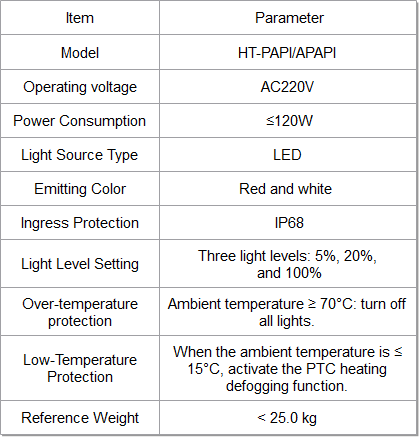
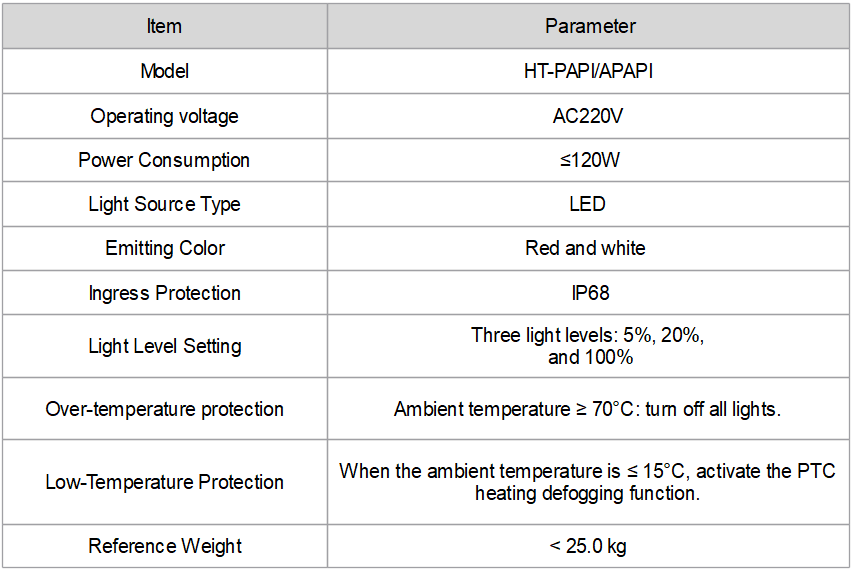
SPECIFICATION
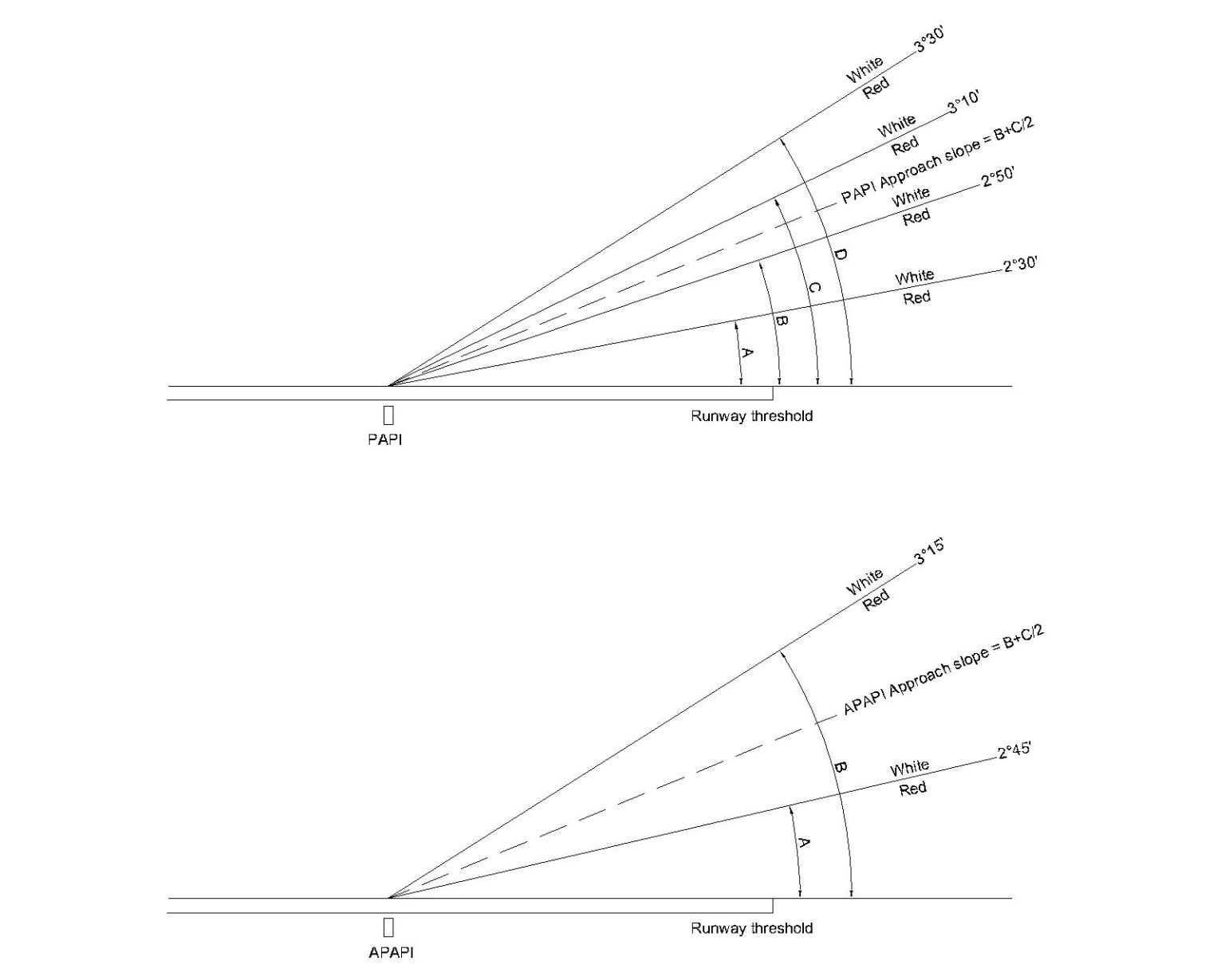
Light beam and elevation angle
installation instructions
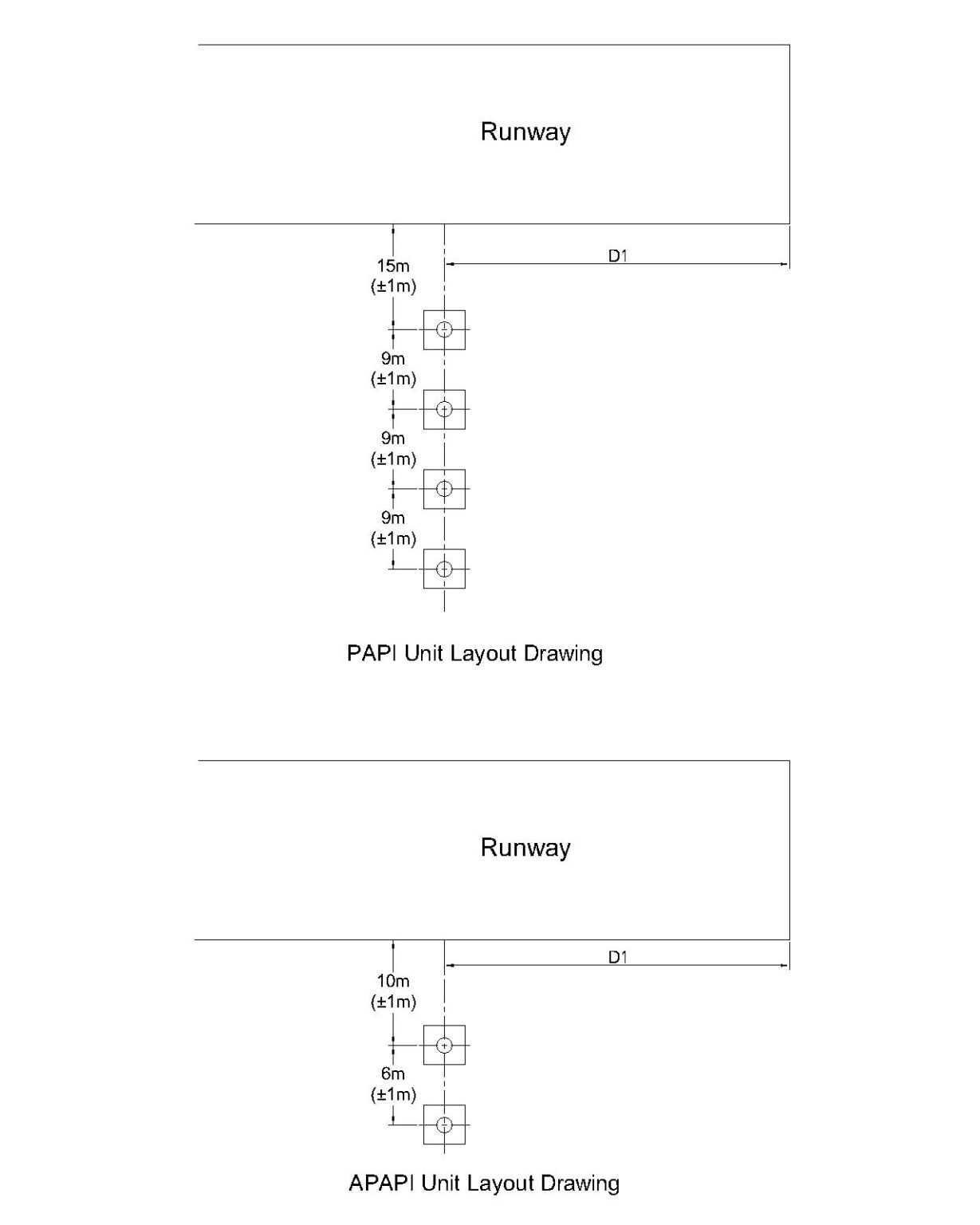
The PAPI light unit closest to the runway shall be located 15 m from the runway edge (10 m for APAPI); all PAPI light units must maintain a minimum distance of 14 m from other taxiways, runways, and aprons (9 m for APAPI).
The standard spacing between PAPI units is 9 m; however, when the approach width is insufficient to accommodate four 9-m-spaced units, a minimum spacing of 6 m may be used, provided the nearest unit remains at least 10 m from the runway edge.
For APAPI units, the standard spacing is 6 m, with an installation tolerance of ±1 m.